To the Xbox Cloud Gaming Leadership Team,
I'm a Game Pass Ultimate subscriber, a Navy veteran, and someone who spent the last two weeks making Xbox Cloud Gaming actually work in my house. I succeeded. It was not easy, and it required interventions that go well beyond anything in your current documentation or support channels.
I tested and optimized cloud gaming across multiple devices, operating systems, browsers, and network configurations — all within a single home network under real-world conditions: simultaneous streaming, multiple gamers, bandwidth contention from other devices. I took every one of those setups from "unplayable" to reliably smooth, and I documented everything I did.
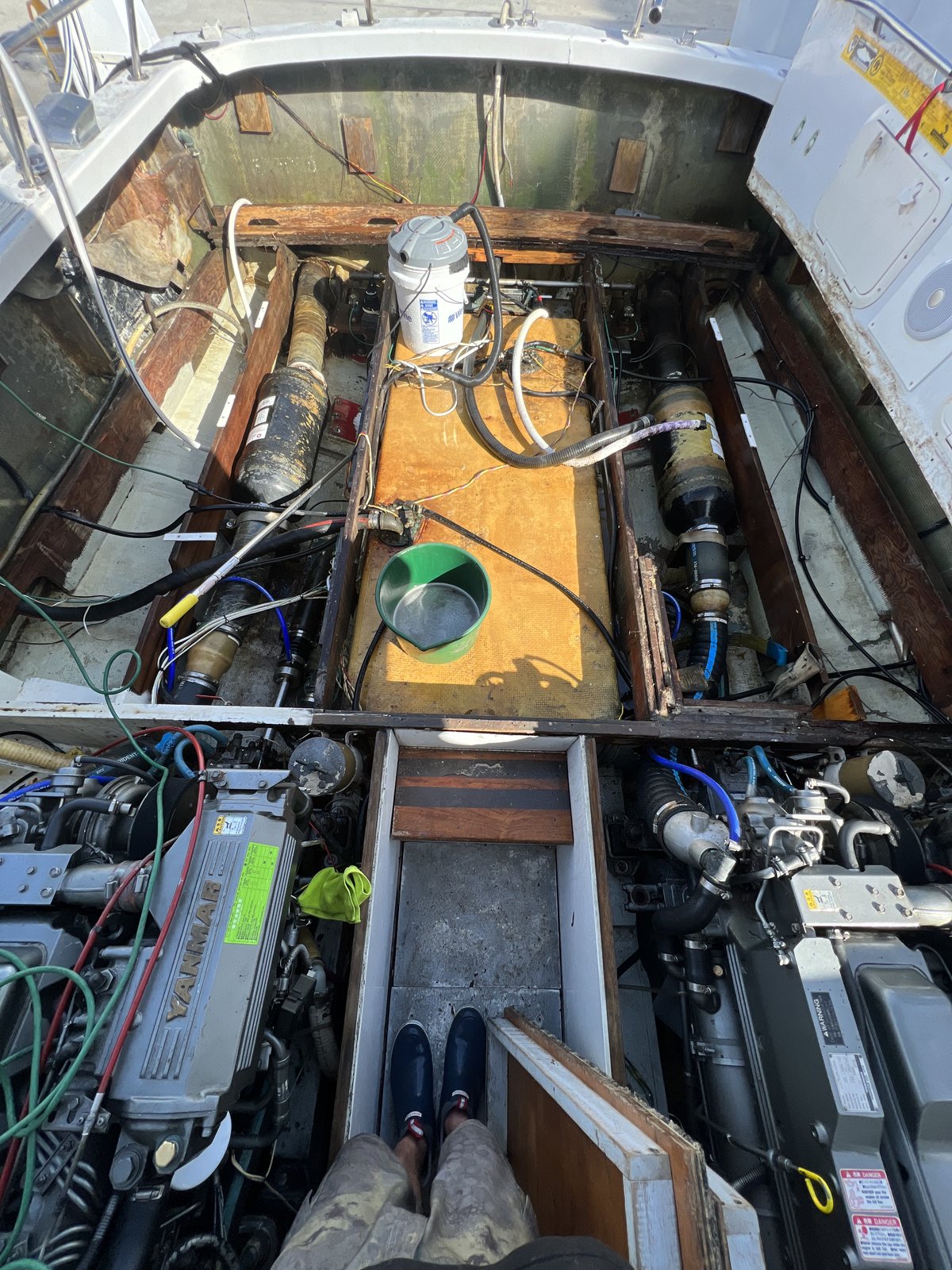
I'm not a software engineer. In the Navy, I was a Fire Controlman — my job was integrating weapons systems with sensors and networks under operational pressure. After the Navy, I became a marine diesel mechanic and technician. I approach problems the way a systems engineer does: I don't stop until it works, I understand why it works, and I can explain it to someone who doesn't have my background.
If Xbox's strategy is to move away from dedicated hardware and toward cloud-first gaming — which is the direction every public signal from your leadership suggests — then the service has to work for people who don't know how to configure their own network stack. Right now, it doesn't. Your current troubleshooting guidance amounts to "close your browser tabs." The actual fixes require knowledge that most consumers don't have and that most support teams aren't equipped to provide.
This isn't a server-side problem. Your infrastructure is capable. The gap is between your servers and the player's living room — and it's a gap that could be closed with the right tooling and the right communication.
I have a tested, validated, and documented methodology for making Xbox Cloud Gaming perform reliably across consumer hardware and typical home network environments. It spans multiple operating systems and device types. It addresses problems at the OS level, the network level, and the browser level. Every optimization I developed is automatable — meaning it could be built into a tool or an application, and deployed to your entire user base.
I also have insights into how this work naturally promotes adoption of other Microsoft products that currently have limited traction in the markets where cloud gaming lives. I'll leave it at that for now.
A conversation. I'm not looking to hand over a document and walk away. I'm proposing a paid engagement where I work directly with your team to translate what I've built into something Microsoft can deploy — whether that's a diagnostic tool, user-facing content, integration with an existing product, or all of the above. I have ideas for each of these, and I think you'll find them compelling.
I'm being intentionally general here. I've learned the hard way that detailed ideas shared freely tend to appear as someone else's product six months later. I'm not suggesting Microsoft would do that deliberately, but I'm also not naïve about how these things work. I'm happy to get specific once there's a framework for the conversation.
Microsoft has no shortage of engineering talent. What you lack is someone who represents your actual user — the person who wants cloud gaming to replace their console, who's paying for Game Pass, and who's one frustrating session away from canceling. I am that person. I stayed, I figured it out, and I can help you keep the ones who won't.
I'm a veteran with a systems engineering mindset, a working technician who builds and troubleshoots for a living, a business owner, and someone who communicates technical concepts clearly and credibly. I'm ready to start whenever you are.
I look forward to hearing from you.
To the Xbox Cloud Gaming Leadership Team,
I'm a Game Pass Ultimate subscriber, a Navy veteran, and someone who spent the last two weeks making Xbox Cloud Gaming actually work in my house. I succeeded. It was not easy, and it required interventions that go well beyond anything in your current documentation or support channels.
I tested and optimized cloud gaming across multiple devices, operating systems, browsers, and network configurations — all within a single home network under real-world conditions: simultaneous streaming, multiple gamers, bandwidth contention from other devices. I took every one of those setups from "unplayable" to reliably smooth, and I documented everything I did.
I'm not a software engineer. In the Navy, I was a Fire Controlman — my job was integrating weapons systems with sensors and networks under operational pressure. After the Navy, I became a marine diesel mechanic and technician. I approach problems the way a systems engineer does: I don't stop until it works, I understand why it works, and I can explain it to someone who doesn't have my background.
If Xbox's strategy is to move away from dedicated hardware and toward cloud-first gaming — which is the direction every public signal from your leadership suggests — then the service has to work for people who don't know how to configure their own network stack. Right now, it doesn't. Your current troubleshooting guidance amounts to "close your browser tabs." The actual fixes require knowledge that most consumers don't have and that most support teams aren't equipped to provide.
This isn't a server-side problem. Your infrastructure is capable. The gap is between your servers and the player's living room — and it's a gap that could be closed with the right tooling and the right communication.
I have a tested, validated, and documented methodology for making Xbox Cloud Gaming perform reliably across consumer hardware and typical home network environments. It spans multiple operating systems and device types. It addresses problems at the OS level, the network level, and the browser level. Every optimization I developed is automatable — meaning it could be built into a tool or an application, and deployed to your entire user base.
I also have insights into how this work naturally promotes adoption of other Microsoft products that currently have limited traction in the markets where cloud gaming lives. I'll leave it at that for now.
A conversation. I'm not looking to hand over a document and walk away. I'm proposing a paid engagement where I work directly with your team to translate what I've built into something Microsoft can deploy — whether that's a diagnostic tool, user-facing content, integration with an existing product, or all of the above. I have ideas for each of these, and I think you'll find them compelling.
I'm being intentionally general here. I've learned the hard way that detailed ideas shared freely tend to appear as someone else's product six months later. I'm not suggesting Microsoft would do that deliberately, but I'm also not naïve about how these things work. I'm happy to get specific once there's a framework for the conversation.
Microsoft has no shortage of engineering talent. What you lack is someone who represents your actual user — the person who wants cloud gaming to replace their console, who's paying for Game Pass, and who's one frustrating session away from canceling. I am that person. I stayed, I figured it out, and I can help you keep the ones who won't.
I'm a veteran with a systems engineering mindset, a working technician who builds and troubleshoots for a living, a business owner, and someone who communicates technical concepts clearly and credibly. I'm ready to start whenever you are.
I look forward to hearing from you.